



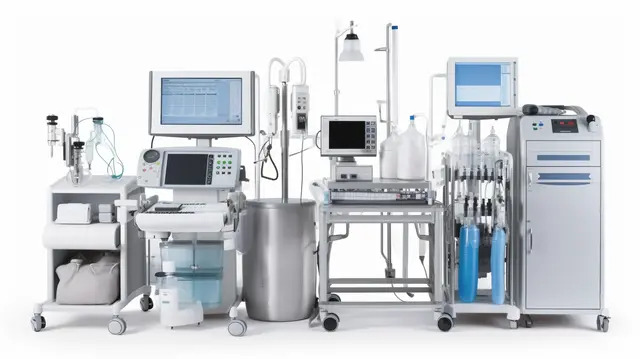
In today’s rapidly evolving healthcare environment, Hospital Equipments play a vital role in delivering accurate diagnosis, effective treatment, and safe patient care. Hospitals, clinics, and medical institutions rely on modern Hospital Equipments to improve efficiency, reduce human errors, maintain hygiene, and enhance patient outcomes. From basic tools used in routine procedures to advanced medical technologies used in critical care—every piece of Hospital Equipments contributes to the functioning of a healthcare facility.
This detailed guide explores the types, functions, importance, benefits, and selection process of the best Hospital Equipments used globally. Whether you are setting up a new hospital or upgrading your existing infrastructure, this comprehensive blog provides complete clarity on choosing the right solutions.
Understanding the Importance of Hospital Equipments
Healthcare systems depend heavily on reliable and advanced Hospital Equipments to deliver high-quality care. These equipments support doctors, nurses, and technicians in diagnosis, monitoring, treatment, sterilization, and patient recovery.
The importance of Hospital Equipments includes:
- Ensuring accuracy in diagnosis and testing
- Improving speed and efficiency of medical procedures
- Enhancing patient safety and infection control
- Supporting critical care and emergency management
- Reducing manual errors with automation and digital controls
- Maintaining consistency and reliability in hospital operations
Without modern Hospital Equipments, hospitals cannot function smoothly or adhere to global healthcare standards.
Types of Hospital Equipments Used in Healthcare
The healthcare ecosystem uses a wide range of Hospital Equipments, each designed for specific medical requirements. Below is a comprehensive list of the most important categories.
1. Diagnostic Equipments
Diagnostic equipments help doctors identify diseases, monitor conditions, and make accurate decisions. These Hospital Equipments include:
- X-Ray machines
- Ultrasound machines
- ECG monitors
- CT scanners
- MRI machines
- Blood analyzers
- Digital thermometers and diagnostic sensors
High-quality diagnostic Hospital Equipments ensure early detection and better treatment planning.
2. Surgical Equipments
Surgical instruments are among the most essential Hospital Equipments in operating rooms. They ensure precision, safety, and control during surgeries. Common surgical tools include:
- Scalpels and blades
- Forceps
- Retractors
- Clamps
- Laparoscopic instruments
- Electrosurgical units
These Hospital Equipments must be durable, sterile, and made from medical-grade materials.
3. ICU & Critical Care Equipments
Critical care requires advanced and reliable Hospital Equipments to save lives. These include:
- Ventilators
- Defibrillators
- Patient monitors
- Infusion pumps
- Syringe pumps
- Anesthesia machines
- Suction machines
These equipments ensure continuous monitoring and life support in ICUs and emergency rooms.
4. Hospital Furniture
Hospital furniture plays a major role in patient comfort and workflow efficiency. These Hospital Equipments include:
- Hospital beds
- Examination tables
- Stretchers
- Wheelchairs
- Bedside lockers
- Over-bed tables
- Waiting room furniture
Durability, hygiene, and ergonomic design are key features of high-quality hospital furniture.
5. Sterilization & Disinfection Equipments
To maintain hygiene and prevent infections, hospitals rely on advanced sterilization Hospital Equipments such as:
- Autoclaves
- ETO sterilizers
- Washer disinfectors
- Ultrasonic cleaners
- Sterilization packaging machines
- Hot air ovens
These equipments support infection control protocols and ensure patient safety.
6. Medical Gas & Oxygen Equipments
Medical gas systems are lifesaving Hospital Equipments used for respiratory care and anesthesia. They include:
- Oxygen cylinders
- Oxygen concentrators
- Flow meters
- Medical gas pipelines
- Vacuum units
These systems ensure uninterrupted supply of medical gases during treatments.
7. Patient Monitoring Equipments
Monitoring systems help track vital signs such as heart rate, oxygen saturation, respiratory rate, and blood pressure. These essential Hospital Equipments include:
- Multiparameter monitors
- Pulse oximeters
- Blood pressure monitors
- Capnography monitors
- Fetal monitors
Monitoring devices ensure real-time tracking of patient health.
8. Rehabilitation & Physiotherapy Equipments
Rehabilitation Hospital Equipments help patients recover mobility and strength. These include:
- Traction units
- Exercise therapy machines
- Ultrasound therapy units
- Muscle stimulators
- Heat therapy machines
These equipments enhance recovery and physical rehabilitation.
Key Features of High-Quality Hospital Equipments
Modern Hospital Equipments come with advanced features that support safety, efficiency, and compliance. Some important features include:
- Stainless steel or medical-grade materials
- Digital control panels
- Real-time monitoring capabilities
- Accurate sensors and precision instruments
- Energy-efficient operation
- Easy cleaning and maintenance
- Safety alerts and error detection systems
These features ensure long-term reliability and seamless hospital operations.
Benefits of Investing in Advanced Hospital Equipments
Hospitals that invest in state-of-the-art Hospital Equipments experience multiple benefits, including:
- Better patient outcomes
- Faster diagnosis and improved accuracy
- Reduced risk of infections
- Improved workflow efficiency
- Enhanced safety for healthcare professionals
- Increased trust among patients
- Compliance with global healthcare standards
High-quality Hospital Equipments also reduce maintenance costs and offer a longer service life.
How to Choose the Best Hospital Equipments
Selecting the right Hospital Equipments requires proper planning and evaluation. Here are key factors to consider:
✅ 1. Understanding Hospital Needs
Assess the type of treatments, departments, and patient load.
✅ 2. Budget and Cost Efficiency
Choose equipments that provide long-term value rather than cheap, low-quality options.
✅ 3. Certification & Compliance
Ensure Hospital Equipments meet medical standards like CE, ISO, or FDA.
✅ 4. After-Sales Service and Warranty
Reliable customer service is essential for long equipment lifespan.
✅ 5. Space & Installation Requirements
Large machineries require proper space planning, ventilation, and electrical load.
✅ 6. Ease of Use
Equipments must be user-friendly for nurses, technicians, and doctors.
Role of Hospital Equipments in Infection Control
Infection control is one of the most critical aspects of healthcare. Sterilization Hospital Equipments ensure instruments remain safe for patient use. Washer disinfectors, autoclaves, and ETO sterilizers help eliminate microbial contamination and prevent hospital-acquired infections, improving overall patient safety.
The Future of Hospital Equipments
The next generation of Hospital Equipments is driven by technology, automation, and AI. Future trends include:
- Smart diagnostic devices
- IoT-enabled patient monitors
- AI-powered imaging systems
- Robotic surgery equipments
- UV disinfection robots
- Cloud-based data monitoring systems
These innovations will make healthcare faster, more accurate, and highly efficient.
Conclusion
Hospital Equipments are the backbone of modern medical systems. From diagnosis to treatment, critical care to rehabilitation, sterilization to monitoring—every step of patient care depends on reliable and advanced equipments. Investing in premium-quality Hospital Equipments enhances hospital performance, improves patient outcomes, and maintains strong hygiene and safety standards.
A well-equipped hospital is a healthier hospital. Choosing the right Hospital Equipments ensures long-term operational success and supports the growing needs of modern healthcare.